
Recurrent Miscarriage: Integrative Testing and Treatment Protocols
Losing a pregnancy once is devastating. Losing two, three, or more feels impossible to process, and the question “why does this keep happening?” can consume everything. If you’re navigating recurrent pregnancy loss, you deserve answers, not platitudes, and a workup that actually looks at the whole picture.
Recurrent pregnancy loss (RPL) is defined as two or more clinical pregnancy losses before 20 weeks of gestation. It affects roughly 1 to 2 percent of couples trying to conceive. That’s not a small number. And yet, standard care often ends with a short list of chromosomal tests and an instruction to “try again.” Integrative medicine asks deeper questions: What is your thyroid doing? Are your folate and B12 levels truly optimal, not just “normal”? Is there an undetected autoimmune process at work?
As an integrative physician specializing in reproductive health, I work with women who have often gone through extensive conventional workups before arriving at a fuller picture of what’s driving their losses. This post walks through the major causes, what testing should include, what current guidelines say, and how an integrative approach fills the gaps. The framework I’ve developed over years of clinical practice and writing is outlined in more detail at Victoria Maizes MD, where fertility and integrative women’s health form the core of the work.
What Is Recurrent Pregnancy Loss?
Recurrent pregnancy loss is not simply bad luck repeated. It’s a clinical condition with identifiable causes in roughly half of all cases, and potentially modifiable contributing factors in many more. The American Society for Reproductive Medicine defines RPL as two or more failed pregnancies confirmed by ultrasound or histopathology, though some guidelines have historically required three losses before investigation begins.
The distinction matters. Waiting for a third loss means another painful pregnancy, another devastating outcome, and potentially one more year of delay. Most integrative practitioners, myself included, recommend beginning a thorough evaluation after two consecutive losses, in line with the most current evidence.
What Does Evaluation and Treatment of Recurrent Pregnancy Loss Actually Involve?
A complete RPL workup goes well beyond a karyotype. Thorough evaluation covers genetic, anatomic, immunologic, endocrine, and lifestyle factors. Integrative medicine adds nutritional and environmental layers that conventional protocols frequently skip.
Here are the major categories a complete workup should address:
- Chromosomal analysis of both partners, and where possible, of the pregnancy tissue itself
- Uterine anatomy via sonohysterogram, hysteroscopy, or 3D ultrasound to rule out structural contributors
- Antiphospholipid syndrome testing, including anticardiolipin antibodies, lupus anticoagulant, and anti-beta-2 glycoprotein
- Full thyroid panel with antibodies, including TSH, free T4, TPO antibodies, and thyroglobulin antibodies, to detect subclinical hypothyroidism and Hashimoto’s thyroiditis
- Functional vitamin B12 and folate assessment, using methylmalonic acid and homocysteine levels, not serum B12 alone
- Complete iron studies, including ferritin, serum iron, and TIBC, not just a hemoglobin check
- Thrombophilia panel, covering factor V Leiden, prothrombin gene mutation, and MTHFR polymorphisms when homocysteine is elevated
Treatment follows findings. But the integrative approach doesn’t wait passively for pathology. Nutritional optimization, stress reduction, and endocrine support can begin before a root cause is confirmed, because these interventions carry very low risk and meaningful potential benefit.
What Do ACOG Guidelines Say About Recurrent Pregnancy Loss?
ACOG recommends beginning evaluation after two consecutive pregnancy losses in women under 35, and considers investigation appropriate after a single loss in women over 35 or in those with additional risk factors. The recommended workup prioritizes genetic, anatomic, and thrombophilic causes.
The honest limitation of current guidelines is that they don’t address nutritional status in meaningful detail. Testing for vitamin B12 deficiency treatment needs, thyroid autoimmunity beyond basic TSH, or environmental chemical exposures falls outside most standard RPL algorithms. That’s where integrative medicine steps in, not to contradict the guidelines, but to extend them into territory where standard workups leave too many questions unanswered.
“Recurrent pregnancy loss affects approximately 1% to 2% of fertile couples. Despite thorough evaluation, no specific etiology is identified in approximately 50% of cases.”
— National Institute of Child Health and Human Development (NIH)
That 50% figure is important. It’s not a failure of medicine. It’s an open door. Elevated homocysteine from B12 or folate insufficiency, subclinical thyroid dysfunction, and oxidative stress from micronutrient deficits all live in that unexplained gap.
What Do RCOG Guidelines Add?
The Royal College of Obstetricians and Gynaecologists (RCOG) guidelines on recurrent miscarriage are among the most detailed available internationally. They emphasize antiphospholipid antibody testing, uterine anatomy evaluation, and parental karyotyping, and they include a nuance that’s often underemphasized: the psychological dimension of RPL care matters clinically, not just emotionally.
RCOG explicitly recognizes that supportive early pregnancy monitoring and psychological care improve outcomes even when no anatomical or immunological cause is identified. My integrative reproductive health practice has always aligned with this view. The mind-body connection in early pregnancy is not soft science. Chronic stress activates the HPA axis, disrupts cortisol rhythms, and can impair implantation through neuroimmune pathways. This is documented biology. Acknowledging it is part of good clinical practice.
Which Conditions Are Most Often Missed in Standard RPL Workups?
In my clinical experience, several treatable conditions recur as hidden contributors to pregnancy loss. They don’t always surface unless you’re specifically looking:
- Functional vitamin B12 deficiency: Serum B12 can appear normal while tissue-level deficiency drives elevated homocysteine and impairs neural tube development. Proper vitamin B12 deficiency treatment requires methylcobalamin, often sublingual or injectable in women with absorption impairments from long-term PPI or metformin use.
- Subclinical hypothyroidism: TSH between 2.5 and 4.5 mIU/L is “normal” by most lab ranges but is associated with higher miscarriage rates. Treatment for hypothyroid disease in the context of recurrent loss may be initiated at a lower TSH threshold than general population guidelines suggest.
- Hashimoto’s thyroiditis without frank hypothyroidism: Thyroid antibodies alone, even with a normal TSH, carry increased pregnancy loss risk. Conventional and integrative medicine increasingly agree on this point.
- Low ferritin and iron deficiency: Ferritin under 30 ng/mL impairs early placental development. Low iron treatment before conception, not just during pregnancy, is part of preconception optimization.
- Undiagnosed celiac disease: Associated with malabsorption of folate, B12, and iron, celiac disease is significantly underdiagnosed in women of reproductive age and represents a correctable, diet-responsive cause of recurrent loss.
- MTHFR variants with elevated homocysteine: Not every MTHFR polymorphism requires treatment. But when paired with elevated homocysteine, targeted methylated B vitamin supplementation is clinically warranted.
Menorrhagia (heavy menstrual bleeding) is another overlooked marker. Women with significant blood loss each cycle may be chronically iron-depleted before they ever conceive, setting up a nutrient deficit the early embryo can’t overcome. Addressing menorrhagia treatment and its downstream iron consequences belongs in a full preconception evaluation.
What Integrative Treatment Protocols Look Like in Practice
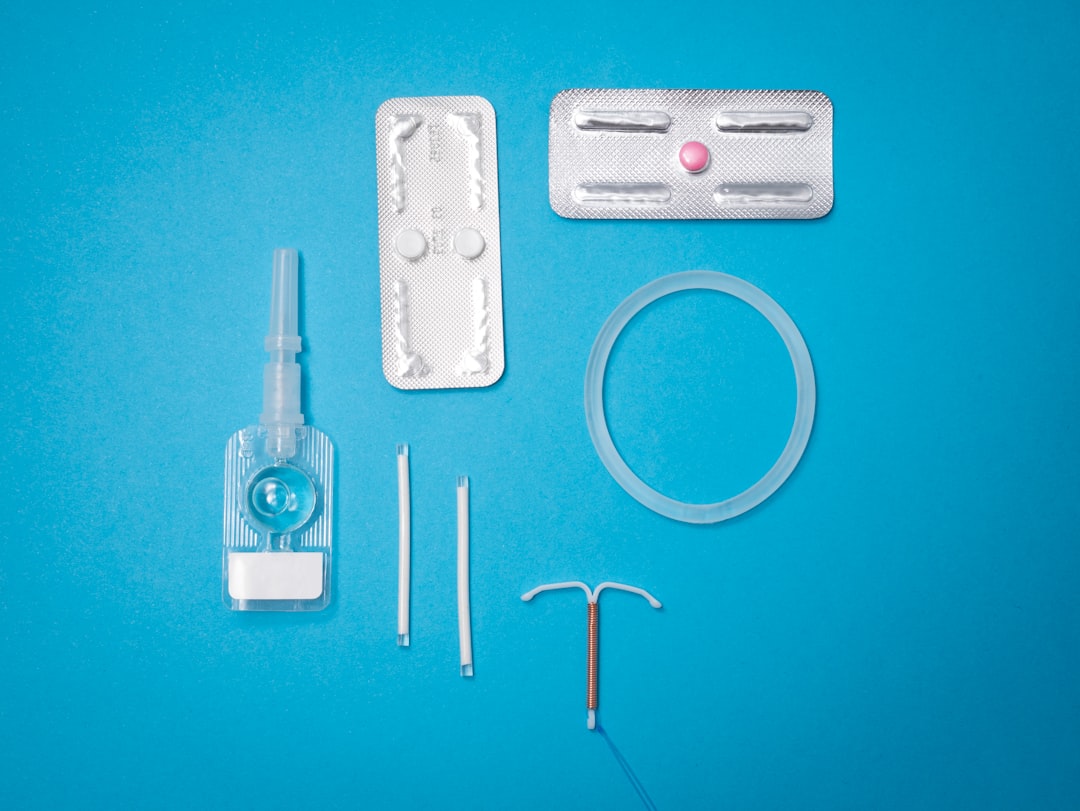
Once a workup identifies contributing factors, treatment becomes highly individualized. For thyroid dysfunction, the goal is TSH below 2.5 mIU/L before conception and below 3.0 mIU/L through early pregnancy. Treatment for hypothyroid disease in an RPL context may include levothyroxine, selenium to reduce antibody titers in Hashimoto’s, or both. I don’t wait for TSH to reach 4.5 before acting when a woman has recurrent losses and positive TPO antibodies.
For vitamin B12 deficiency, the right treatment isn’t always a standard B12 supplement. If absorption is impaired, sublingual or injectable methylcobalamin bypasses the problem entirely. According to Mayo Clinic, B12 deficiency is typically diagnosed when serum levels fall below 200 pg/mL, but functional deficiency, reflected by elevated methylmalonic acid and homocysteine, can occur at levels that appear within the normal range. This is why I run a full methylation panel, not just serum B12, in women with unexplained pregnancy loss.
“Hypothyroidism, even subclinical hypothyroidism, during pregnancy is associated with adverse outcomes including miscarriage, preterm birth, and impaired fetal neurodevelopment.”
For antiphospholipid syndrome, treatment typically involves low-dose aspirin plus low molecular weight heparin through the first trimester, which both conventional and integrative approaches support. Fish oil and vitamin D are added as anti-inflammatory support, with growing evidence for their role in immune modulation during early pregnancy.
Is Integrative Treatment Right for Everyone With Recurrent Loss?
Not every cause of recurrent pregnancy loss is modifiable through integrative approaches, and I want to be clear about that. If losses are consistently chromosomally abnormal, which testing the pregnancy tissue can determine, the primary issue may be egg quality, sperm DNA fragmentation, or advanced maternal age. In those cases, preimplantation genetic testing through IVF is often the most effective path forward. Integrative medicine can support egg and sperm quality alongside that process, but it doesn’t replace it.
When significant uterine abnormalities are identified, such as a septum or submucosal fibroid, surgical correction typically precedes any other intervention. Integrative medicine supports recovery and preconception preparation in those cases rather than acting as a substitute for procedural treatment.
What to Expect: A Realistic Timeline
Integrative workup and preparation takes time. Building nutritional reserves, stabilizing thyroid function, and reducing oxidative stress are not overnight processes. Here is a realistic framework:
- Months 1 to 2: Complete testing, including nutritional, endocrine, immunologic, and genetic panels. Allow time for full antiphospholipid antibody confirmation, which requires repeat testing 12 weeks apart.
- Months 2 to 3: Begin targeted supplementation and any medication adjustments, including thyroid support and methylated B vitamins.
- Months 3 to 6: Allow time for tissue-level nutrient repletion. B12 stores and ferritin take several months to meaningfully rebuild.
- Month 4 to 6: Consider trying to conceive once TSH, homocysteine, ferritin, and functional B12 are in the optimal range, not just the normal range.
This isn’t the timeline anyone wants to hear when they’re eager to be pregnant. But preparation matters. The research on preconception health consistently shows that optimizing maternal nutrition and endocrine function before conception, not just during pregnancy, improves outcomes in measurable ways.
Practical Steps You Can Take Right Now
If you’ve experienced recurrent pregnancy loss and are deciding what to do next, here are my concrete recommendations:
- Request a comprehensive workup that includes antiphospholipid antibodies, a full thyroid panel with TPO and thyroglobulin antibodies, methylmalonic acid and homocysteine levels (not just serum B12), ferritin, and karyotyping for both partners.
- Ask specifically about TSH targets. If your TSH is above 2.5 and you have thyroid antibodies, have a direct conversation about whether treatment for hypothyroid disease makes sense in your situation before the next conception attempt.
- Switch to a methylated prenatal containing methylfolate (5-MTHF) and methylcobalamin, not folic acid and cyanocobalamin, to support methylation regardless of MTHFR status.
- Address iron stores before conceiving. If ferritin is under 30 ng/mL, begin low iron treatment now, using a well-absorbed form like iron bisglycinate to minimize gastrointestinal side effects.
- Build in a structured stress reduction practice. Mindfulness-Based Stress Reduction (MBSR) has documented effects on cortisol and immune function. It belongs in a preconception plan as much as a supplement protocol does.
- Seek psychological support. Recurrent pregnancy loss is a grief experience. Processing it with a therapist who specializes in perinatal loss is not a detour from treatment. It is part of it.
Victoria Maizes, MD, has developed the protocols and frameworks underlying this kind of integrative approach over decades of clinical practice, teaching, and writing. Additional guidance on preconception preparation, supplement protocols, and the principles of integrative reproductive medicine is available at victoriamaizesmd.com.
Recurrent pregnancy loss is one of the hardest things a person can go through. But it’s not a closed door. With a thorough evaluation, targeted treatment, and honest attention to the nutritional and endocrine factors that standard protocols often skip, many women do go on to carry healthy pregnancies. Your body wants to sustain life. The goal of integrative medicine is to give it every real advantage it needs to do exactly that.