
Male Factor Infertility: Nutrition and Lifestyle Solutions

Navigating the journey to conception can be a complex path, and often, the focus tends to be heavily on female reproductive health. However, it’s crucial to recognize that male factor infertility plays a significant role in about half of all cases where couples struggle to conceive. It can be disheartening to receive a diagnosis related to sperm quality or count, but the good news is that many aspects of male fertility are responsive to targeted lifestyle and nutritional interventions.
As an integrative physician, I frequently see how profoundly diet, stress management, and environmental factors influence reproductive health for both partners. My approach to fertility challenges always involves looking at the whole person, seeking to optimize every system that contributes to overall wellness and, by extension, fertility.
At our practice, we believe in empowering individuals with the knowledge and tools to enhance their health naturally. Understanding the connection between what you eat and your reproductive potential is a powerful step. If you’re exploring holistic approaches to preparing for pregnancy, you can find more insights into our philosophy of care at VictoriaMaizesMD.com.
Understanding Male Factor Infertility: The Foundation
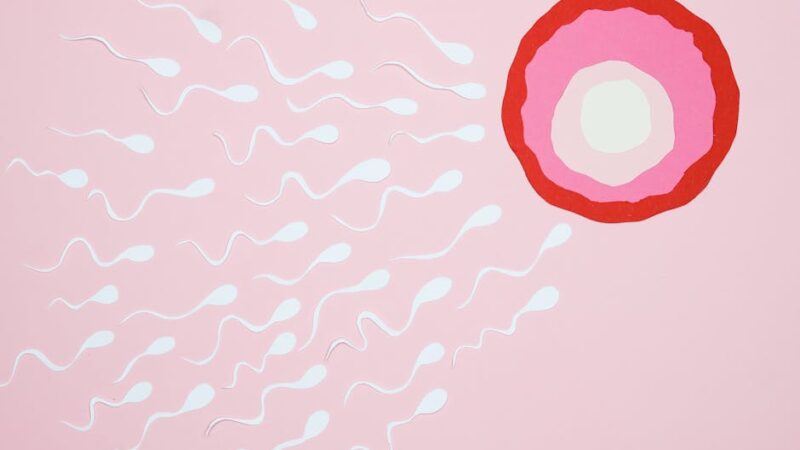
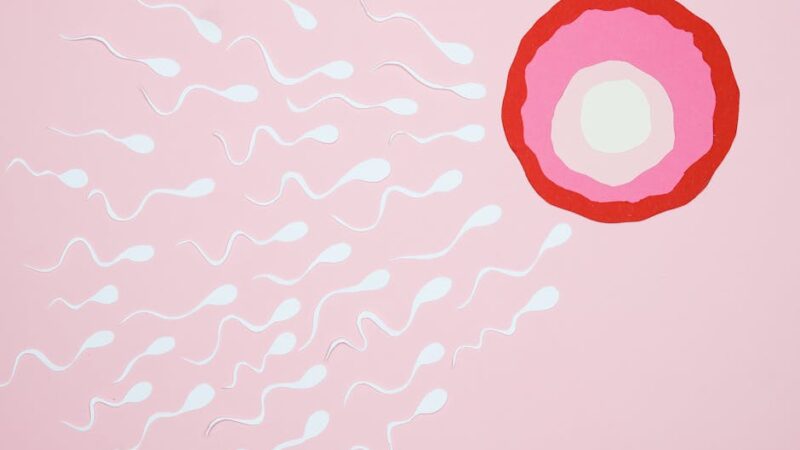
Male factor infertility refers to any condition in a male that lowers the chances of initiating a pregnancy with a fertile female. This can stem from issues with sperm production, function, or delivery. Common problems include low sperm count (oligozoospermia), poor sperm motility (asthenozoospermia), or abnormal sperm shape (teratozoospermia). Sometimes, it’s a combination of these factors, or even unexplained issues.
The health of sperm is remarkably sensitive to internal and external stressors. Oxidative stress, for example, is a major contributor to poor sperm quality. According to research published by the National Institutes of Health (NIH), oxidative stress refers to an imbalance between the production of reactive oxygen species (free radicals) and the body’s ability to detoxify these harmful byproducts or repair the resulting damage. This imbalance can damage sperm DNA, membranes, and proteins, directly impairing their ability to fertilize an egg.
Male fertility diet plan
A male fertility diet plan focuses on nutrient-dense, anti-inflammatory foods rich in antioxidants, essential fatty acids, and specific vitamins and minerals crucial for sperm production and health. It emphasizes whole foods, lean proteins, fruits, vegetables, and healthy fats while limiting processed foods, excessive sugar, and unhealthy fats.
My opinion is that adopting a fertility-focused diet isn’t about deprivation; it’s about nourishing your body to support optimal reproductive function. Think of it as preparing fertile ground. This means a shift toward foods that protect cells from damage and provide the building blocks for healthy sperm. We’re talking about a Mediterranean-style diet, often rich in fresh produce, whole grains, and healthy oils.
What foods produce sperm fast?
While no single food “produces sperm fast,” certain nutrients accelerate and optimize spermatogenesis (sperm production) and maturation. Foods rich in zinc, selenium, folate, L-carnitine, CoQ10, and antioxidants like Vitamin C and E are paramount. Incorporating these regularly supports healthy, robust sperm development over the typical 72-day maturation cycle.
Here are some of the key food groups and specific items I recommend to my patients:
- Leafy Greens and Colorful Vegetables: Spinach, kale, broccoli, bell peppers, and carrots are packed with antioxidants like folate, Vitamin C, and beta-carotene, all vital for protecting sperm from oxidative damage.
- Berries: Blueberries, raspberries, and strawberries are antioxidant powerhouses, helping to neutralize free radicals that can harm sperm.
- Nuts and Seeds: Walnuts are rich in omega-3 fatty acids, which contribute to sperm motility and morphology. Brazil nuts provide selenium, crucial for sperm structure. Pumpkin seeds offer zinc.
- Whole Grains: Oats, quinoa, and brown rice provide complex carbohydrates and fiber, supporting overall health and steady energy.
- Lean Proteins: Fish like salmon (omega-3s), lean poultry, and legumes offer essential amino acids and zinc.
- Healthy Fats: Avocados, olive oil, and nuts provide monounsaturated fats important for hormone production and cell membrane health. The Harvard T.H. Chan School of Public Health emphasizes the importance of healthy fats for overall cellular function.

How to make sperm stronger for pregnancy
To strengthen sperm for pregnancy, focus on a multifaceted approach that includes specific dietary changes, targeted supplementation, regular moderate exercise, stress reduction, and avoiding environmental toxins. These strategies collectively improve sperm count, motility, morphology, and DNA integrity, increasing the chances of successful conception.
Improving sperm quality isn’t just about what you eat; it’s also about what you avoid and how you live. Lifestyle choices have a profound impact. I always advise patients to consider their exposure to endocrine-disrupting chemicals found in plastics, pesticides, and certain personal care products. These can interfere with hormone balance, which is crucial for healthy sperm production.
“Lifestyle interventions, including dietary changes, antioxidant supplementation, and avoidance of environmental toxins, can significantly improve semen parameters and fertility outcomes in men.”
Practical Tips for Boosting Male Fertility
As an integrative medicine physician, I’ve developed a set of practical recommendations that often yield significant improvements for my patients:
- Optimize Your Diet: Focus on a whole-food, plant-heavy diet. Limit red meat, processed snacks, sugary drinks, and fast food. When you’re eating out, consider looking up nutrition information online to make informed choices that align with your fertility goals.
- Incorporate Antioxidants: Regularly consume foods rich in Vitamins C and E, selenium, and CoQ10. These protect sperm from oxidative damage.
- Mind Your Micronutrients: Ensure adequate intake of zinc (found in oysters, pumpkin seeds, beans), folate (leafy greens, legumes), and L-carnitine (dairy, red meat, but also supplements).
- Manage Stress: Chronic stress elevates cortisol, which can negatively impact hormone balance and sperm production. Practices like Mindfulness-Based Stress Reduction (MBSR) or yoga can be highly beneficial. I often teach these techniques in my practice.
- Limit Environmental Toxins: Reduce exposure to plastics (BPA), phthalates, and pesticides. Choose organic produce when possible, store food in glass containers, and use natural personal care products.
- Maintain a Healthy Weight: Obesity can disrupt hormone levels and impair sperm quality. Regular, moderate exercise (but not excessive endurance training) and a balanced diet support a healthy BMI.
Top 5 male fertility supplements
While a balanced diet is foundational, certain supplements can provide targeted support for male fertility, especially when dietary intake isn’t sufficient or specific deficiencies are present. The top five often include Coenzyme Q10 (CoQ10), L-Carnitine, Zinc, Folate, and Omega-3 Fatty Acids. These play critical roles in sperm energy production, motility, DNA integrity, and protection against oxidative stress.
When I recommend supplements, I always stress the importance of quality. Look for brands that are third-party tested for purity and potency. My opinion is that supplements should always complement, not replace, a nutritious diet and healthy lifestyle. Here’s a closer look at some key players:
- Coenzyme Q10 (CoQ10): Essential for energy production in sperm mitochondria, directly impacting motility. It’s also a powerful antioxidant. Clinical experience has shown a significant benefit for sperm parameters.
- L-Carnitine: Plays a crucial role in sperm maturation and energy metabolism. It helps sperm maintain their motility and protects them from oxidative damage.
- Zinc: Vital for sperm development, testosterone metabolism, and cell division. Even mild deficiencies can impact sperm quality.
- Folate (L-Methylfolate): Important for DNA synthesis and repair. Adequate folate levels are associated with reduced sperm DNA fragmentation.
- Omega-3 Fatty Acids (EPA and DHA): Found in fish oil, these fats are crucial components of sperm membranes, supporting motility and morphology.
Before starting any new supplement regimen, it’s always best to consult with a healthcare provider, ideally one specializing in integrative medicine, to ensure it’s appropriate for your specific needs and to avoid potential interactions with other medications or conditions. Personalized guidance is key when integrating supplements into your plan for optimal fertility, which is something we discuss with patients at our clinic.
What It Treats / What To Look For
Nutritional and lifestyle interventions for male fertility are designed to address a range of issues, primarily focusing on improving the overall health and function of sperm. They don’t just target one specific problem but enhance the foundational elements of reproductive health. You might consider these strategies if you or your partner:
- Have been diagnosed with low sperm count (oligozoospermia).
- Are experiencing issues with poor sperm motility (asthenozoospermia).
- Received results indicating abnormal sperm morphology (teratozoospermia).
- Are dealing with unexplained infertility after standard evaluations.
- Have been identified with high levels of oxidative stress.
- Are looking for proactive ways to optimize reproductive health before trying to conceive.
- Have a history of chronic health conditions or high stress that could impact fertility.
These approaches are also beneficial for general wellness, reinforcing the idea that fertility is a reflection of overall health. The benefits often extend beyond just reproductive outcomes, improving energy, mood, and resilience.
Considering Alternatives or Exceptions
While nutrition and lifestyle adjustments are incredibly powerful, they aren’t a standalone solution for every case of male infertility. Some conditions, such as anatomical blockages, genetic abnormalities, or severe hormonal imbalances, may require medical interventions like surgery, hormone therapy, or assisted reproductive technologies (ART) such as IVF or ICSI. For example, if there’s an obstruction, diet alone won’t clear it. These holistic strategies should be viewed as a vital complement to, rather than a replacement for, conventional medical care when necessary.
It’s important to have realistic expectations. While many men see significant improvements, the extent of the impact can vary. Sometimes, a combination of approaches is needed. We work closely with fertility specialists to create comprehensive plans that integrate the best of both worlds, ensuring you receive the most effective care for your unique situation. This integrated approach is at the core of what we do at Victoria Maizes MD.
What to Expect and a Realistic Timeline
When you commit to nutritional and lifestyle changes for male fertility, it’s important to understand that sperm production is a continuous, cyclical process. It takes approximately 72 days for a new sperm cell to fully mature. This means you won’t see immediate results overnight. Instead, expect to see the impact of your changes reflected in semen analyses performed at least three months after you begin implementing new strategies.
Typically, I recommend committing to these changes for a minimum of three to six months before re-evaluating. During this time, you should aim for consistency in your diet, supplement regimen, and lifestyle adjustments. While it may require patience, the body is remarkably resilient, and I have seen firsthand how dedicated effort can lead to positive shifts in sperm count, motility, and morphology. Remember, you’re not just improving sperm quality; you’re investing in your overall health and well-being, which has long-term benefits.

“The impact of a healthy diet and lifestyle extends beyond improving fertility parameters, often contributing to better overall health and a reduced risk of chronic diseases.”
— CDC
Empowering yourself with knowledge and making informed choices about your diet and lifestyle can profoundly impact your fertility journey. Remember that male factor infertility is common, and there are many actionable steps you can take to improve your reproductive health. By embracing an integrative approach that prioritizes nutrient-rich foods, appropriate supplementation, stress reduction, and toxin avoidance, you’re not just striving for conception—you’re building a stronger, healthier foundation for your entire life. Taking charge of your health today is one of the most powerful steps you can take toward your dream of starting or growing your family.