
Gut Healing Foods: Nutritional Protocols for Digestive Health
Many of us experience digestive discomfort regularly, whether it’s bloating, indigestion, or an overall sense of unease after eating. It’s a common complaint, but that doesn’t make it any less frustrating. Your gut is more than just a digestive tube; it’s a complex ecosystem deeply connected to your immune system, mood, and overall vitality. When it’s not working optimally, you feel it throughout your body.
Addressing gut health isn’t about quick fixes or restrictive fads. It’s about understanding the intricate balance within your digestive system and nourishing it intentionally. As an integrative physician, I frequently see how improving gut health can be a profound step toward holistic wellness, especially for those navigating challenges like fertility or chronic stress.
At victoriamaizesmd.com, our approach synthesizes advances in medical science with the wisdom of healing traditions, empowering you to make informed choices for your health. This is why focusing on whole foods, not just as fuel, but as medicine, forms the cornerstone of our recommendations for digestive healing, aligning with principles we’ve explored in our discussions about eating for pleasure, vitality, and health.
Understanding Gut Healing: A Foundation
Gut healing refers to the process of restoring the health and function of your digestive tract, particularly the integrity of the gut lining and the balance of your gut microbiome. When the gut lining becomes compromised, often referred to as “leaky gut” or increased intestinal permeability, it can allow undigested food particles, toxins, and microbes to pass into the bloodstream. This can trigger systemic inflammation and contribute to a wide array of health issues, from autoimmune conditions to mood disorders.
The goal is to move beyond simply managing symptoms. We’re aiming for true repair and resilience within the gut, which in turn supports the health of the entire body. It’s a fundamental step in addressing the challenges to our health and fertility that I often see in my practice.
What are the 5 R’s of gut healing?
The 5 R’s of gut healing provide a structured, systematic approach to repairing and restoring digestive health. This protocol involves removing inflammatory triggers, replacing digestive enzymes and acids, repopulating beneficial bacteria, repairing the gut lining, and rebalancing lifestyle factors that impact gut function.
This framework is a practical way to think about the sequential steps needed for effective gut restoration. As an integrative physician, I often guide patients through these principles, adjusting them based on individual needs and health conditions.
- Remove: Eliminate inflammatory foods, toxins, and infections (such as parasites, yeast, or bacterial overgrowth). This is often the most challenging, but crucial, first step.
- Replace: Add back essential digestive components that might be lacking, such as digestive enzymes, hydrochloric acid, and bile salts, to improve nutrient absorption.
- Repopulate: Reintroduce beneficial bacteria to the gut with probiotics and prebiotic-rich foods to restore a healthy microbiome balance.
- Repair: Provide nutrients that support the regeneration of the gut lining, like L-glutamine, zinc, and collagen, helping to seal any “leaky” junctions.
- Rebalance: Address lifestyle factors that contribute to gut dysfunction, including stress management, adequate sleep, and regular physical activity. This is where mindfulness practices, like those we explore in meditation for anxiety, can be incredibly impactful.
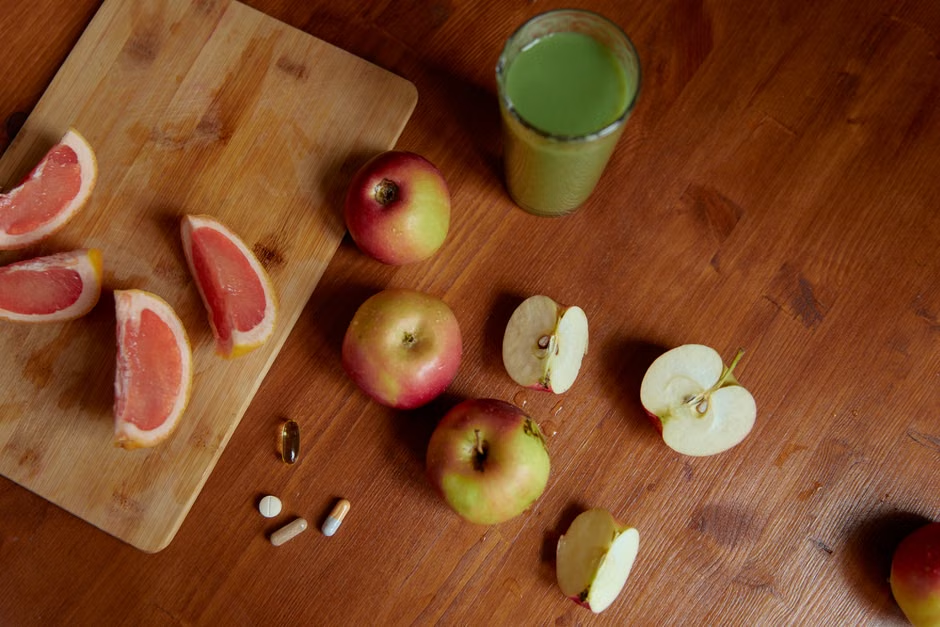
What foods help repair the digestive system?
A variety of whole foods actively contribute to repairing and strengthening the digestive system by reducing inflammation, providing essential nutrients, and supporting a healthy microbiome. Key categories include fiber-rich vegetables, fermented foods, omega-3 fatty acid sources, and lean proteins.
When we talk about repairing the digestive system, we’re essentially talking about supporting the gut lining and fostering a diverse, robust microbiome. The foods you choose directly impact these vital functions. My opinion is that these choices are foundational.
Here are some of the best food categories to consider:
- Fermented Foods: Rich in probiotics, these foods introduce beneficial bacteria to your gut. Think sauerkraut, kimchi, kefir, yogurt (dairy or non-dairy), and tempeh. Look for varieties that are unpasteurized to ensure live cultures.
- High-Fiber Foods: Soluble and insoluble fibers act as prebiotics, feeding your good gut bacteria and promoting regular bowel movements. Excellent sources include leafy greens, root vegetables, fruits (berries, apples), legumes, and whole grains.
- Omega-3 Fatty Acids: These powerful anti-inflammatory fats can help soothe an irritated gut lining. Find them in fatty fish like salmon, mackerel, and sardines, as well as chia seeds, flaxseeds, and walnuts. We delve deeper into the importance and sources of omega-3 fatty acids for overall health.
- Bone Broth/Collagen: Rich in amino acids like glutamine, proline, and glycine, bone broth can help repair the intestinal lining and reduce inflammation. Collagen powder is another excellent way to get these beneficial amino acids.
- Lean Proteins: Essential for tissue repair, including the cells lining your gut. Opt for organic poultry, grass-fed beef, wild-caught fish, and plant-based proteins like lentils and beans.
- Herbs and Spices: Turmeric, ginger, garlic, and rosemary possess potent anti-inflammatory and antimicrobial properties that can support gut health.
“The composition of the gut microbiota can be significantly altered by dietary patterns, with a whole-food, plant-rich diet generally promoting a more diverse and beneficial microbial community.”
Foods that heal gut inflammation
Foods that specifically target gut inflammation often contain antioxidants, prebiotics, and probiotics, working to soothe the intestinal lining and support a balanced immune response. Berries, leafy greens, ginger, and turmeric are prime examples, along with sources of healthy fats like avocado and olive oil.
When gut inflammation is present, it’s crucial to focus on foods that actively reduce this internal irritation. My clinical experience shows that these choices can make a significant difference in patient well-being.
- Leafy Greens: Spinach, kale, and collard greens are packed with vitamins, minerals, and antioxidants that combat inflammation.
- Berries: Blueberries, raspberries, and strawberries are rich in polyphenols and antioxidants, known for their anti-inflammatory effects.
- Turmeric and Ginger: These root spices contain compounds (curcumin and gingerol, respectively) that are potent anti-inflammatories.
- Cruciferous Vegetables: Broccoli, cauliflower, and Brussels sprouts contain sulforaphane, which supports detoxification pathways and reduces inflammation.
- Avocados: A fantastic source of monounsaturated fats and fiber, avocados help reduce inflammation and provide essential nutrients for gut repair.
- Extra Virgin Olive Oil: This healthy fat contains oleocanthal, a compound with anti-inflammatory properties similar to ibuprofen.
What is the best diet to heal the gut?
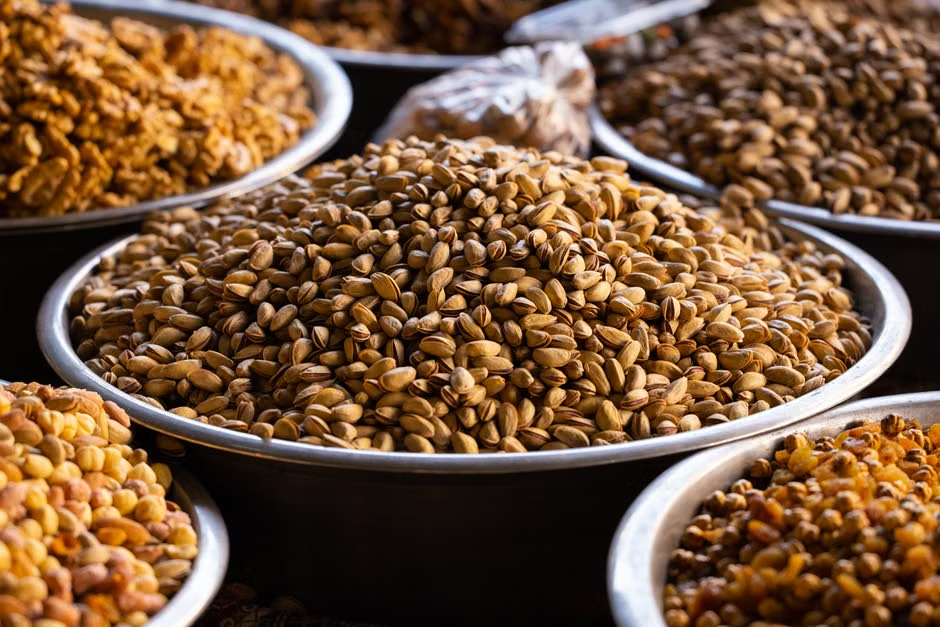
The best diet to heal the gut emphasizes whole, unprocessed foods, abundant in plant fibers, healthy fats, and lean proteins, while minimizing inflammatory triggers. It’s not a rigid, one-size-fits-all plan but rather a personalized approach that often resembles a Mediterranean-style diet, rich in fruits, vegetables, legumes, and omega-3s.
There isn’t a single “best” diet that works universally for everyone. What’s crucial is a personalized approach that considers your unique biology, sensitivities, and health goals. However, certain principles consistently emerge from both scientific research and my own clinical observations.
A diet focused on reducing gut inflammation and promoting a healthy microbiome will typically:
- Be rich in diverse plant foods: Aim for a wide variety of vegetables, fruits, legumes, nuts, and seeds. This diversity fosters a diverse gut microbiome.
- Include fermented foods: Regularly incorporating foods like kimchi, sauerkraut, and kefir can replenish beneficial bacteria.
- Prioritize healthy fats: Olive oil, avocados, nuts, seeds, and fatty fish provide anti-inflammatory support.
- Feature lean, high-quality proteins: Opt for organic, pasture-raised meats, wild-caught fish, and plant-based protein sources.
- Minimize processed foods: These often contain artificial ingredients, unhealthy fats, and excessive sugar, all of which can disrupt gut balance.
Alternatives to consider, especially for those with severe sensitivities, might include elimination diets (like the low-FODMAP diet) under professional guidance. These are typically short-term strategies to identify triggers, not long-term solutions. Always consult with a healthcare provider before making significant dietary changes, especially if you have chronic conditions.
Worst foods for gut health
Certain foods can actively harm gut health by promoting inflammation, disrupting the microbiome, and damaging the intestinal lining. These often include highly processed items, excessive sugar, artificial sweeteners, industrial seed oils, and conventional dairy products, which can exacerbate digestive issues for many individuals.
Just as some foods heal, others can create significant challenges for your digestive system. Avoiding or significantly reducing these can be as impactful as adding beneficial foods. I encourage my patients to be mindful of these common culprits.
- Processed Foods: Full of artificial additives, preservatives, unhealthy fats, and refined sugars, these offer little nutritional value and can fuel inflammation.
- Excess Sugar: Feeds harmful bacteria and yeast in the gut, leading to dysbiosis and increased inflammation.
- Artificial Sweeteners: Emerging research suggests some artificial sweeteners like aspartame and sucralose can negatively impact the gut microbiome.
- Industrial Seed Oils: High in omega-6 fatty acids, oils like corn, soy, and canola oil can contribute to an imbalanced omega-6 to omega-3 ratio, promoting inflammation.
- Conventional Dairy: For many, dairy can be inflammatory due to lactose intolerance or sensitivities to milk proteins (casein).
- Gluten (for sensitive individuals): While not universally problematic, for those with celiac disease or non-celiac gluten sensitivity, gluten can cause significant gut damage and inflammation.
“Highly processed foods, which often contain emulsifiers, artificial sweeteners, and high levels of sugar and unhealthy fats, can negatively impact gut microbiota diversity and function, potentially contributing to inflammatory conditions.”
Practical Tips for Supporting Your Gut Health
Beyond specific foods, adopting certain habits can profoundly influence your digestive well-being. These are simple yet powerful tools I recommend in my practice to cultivate a healthy internal environment.
- Chew Your Food Thoroughly: Digestion begins in the mouth. Chewing adequately breaks down food, reducing the burden on your stomach and intestines. This allows enzymes to work more effectively.
- Manage Stress: The gut-brain axis is real. Chronic stress can impair digestion and alter gut flora. Incorporate stress-reducing practices like mindfulness, deep breathing, or yoga into your daily routine.
- Stay Hydrated: Water is essential for healthy digestion, nutrient absorption, and maintaining bowel regularity. Aim for adequate intake throughout the day.
- Get Enough Sleep: Sleep deprivation can negatively impact gut microbiota and increase intestinal permeability. Prioritize 7-9 hours of quality sleep each night. As we’ve discussed with magnesium for sleep and relaxation, sometimes nutrient support can also play a role here.
- Consider Targeted Supplementation: Depending on your needs, certain supplements can support gut healing. Probiotics, prebiotics, digestive enzymes, L-glutamine, and vitamin D are common recommendations. For instance, adequate vitamin D levels are crucial not just for bone health but also for immune function, which is intimately linked to gut health.
Results and What to Expect
Healing your gut is a process, not an overnight fix. While some individuals may notice improvements in symptoms like bloating or indigestion within a few weeks of implementing dietary changes, more significant and lasting repair often takes several months. It’s not uncommon for changes to manifest gradually.
Realistically, you can expect to feel better, have more consistent energy, and experience fewer digestive complaints. For those focusing on fertility, improved gut health can contribute to a more balanced hormonal environment and reduced systemic inflammation, both crucial for reproductive well-being. However, results vary based on the initial state of your gut health and your consistency with the protocol. Patience and persistence are key.
Embracing a whole foods approach to gut healing is an investment in your overall health and future vitality. It’s about empowering your body to function at its best, creating a strong foundation for whatever health goals you pursue. By consciously choosing foods that nourish and repair, you’re not just alleviating symptoms; you’re building resilience from the inside out.