
How to Improve Egg Quality: A Nutritional and Lifestyle Approach

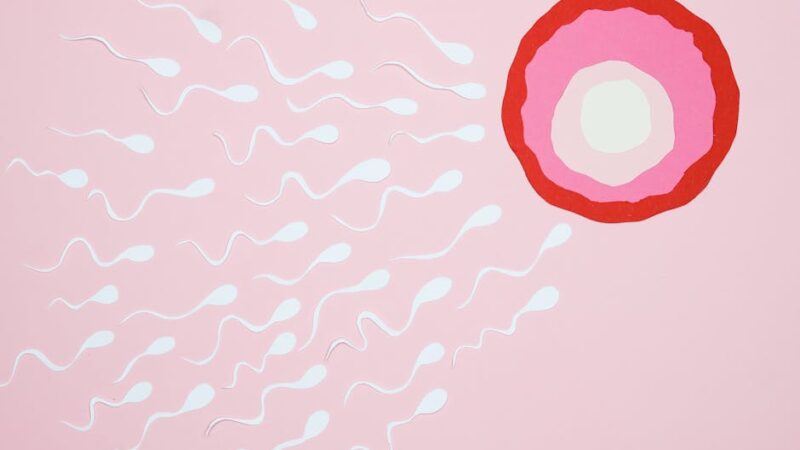
If you’re trying to conceive, egg quality is one of the most important variables in the equation. And for many women, it’s also the most frightening one, because it feels fixed, outside your control. It isn’t. The science on this has shifted meaningfully in the past decade, and what we now understand about mitochondrial function, oxidative stress, and epigenetics tells a genuinely hopeful story: the choices you make in the months before you try to conceive can shape the quality of the eggs you’re working with.
Egg quality refers to whether an egg is chromosomally normal and capable of being fertilized, developing into a healthy embryo, and sustaining a pregnancy. It declines with age, yes. But age isn’t the only factor. Oxidative stress, nutrient deficiencies, environmental toxins, and chronic psychological stress all degrade egg quality independently of your age. That means they’re also addressable.
The goal of integrative medicine is to help you prepare your body, mind, and spirit for easy conception and a healthy pregnancy. The approach I use through my integrative medicine practice focuses on exactly this: building a personalized preconception protocol that addresses the nutritional, environmental, and lifestyle factors research shows matter most for reproductive health.
What Does Egg Quality Actually Mean?
Egg quality refers to the chromosomal integrity and developmental competence of an oocyte. A high-quality egg carries the correct number of chromosomes, has robust mitochondrial function to fuel fertilization and early cell division, and is free of DNA damage. Poor egg quality is the leading cause of failed IVF cycles, early miscarriage, and subfertility in women over 35, though younger women are not immune when lifestyle and environmental stressors are present.
Mitochondria are central to this story. Each mature egg contains roughly 100,000 to 200,000 mitochondria, more than almost any other cell in the body, because the early embryo depends entirely on the egg’s mitochondrial energy reserves until it can produce its own. Mitochondrial dysfunction in oocytes is directly associated with poor embryo development and implantation failure. Protecting mitochondrial health, then, is not a wellness abstraction. It is reproductive physiology.
“Mitochondrial dysfunction in oocytes impairs the energy supply needed for fertilization and early embryogenesis, and is a key contributor to age-related decline in egg quality.”
Can You Actually Improve Egg Quality Before Trying to Conceive?
Yes, with important caveats. You cannot reverse chromosomal damage that has already occurred in an existing egg. But you can improve mitochondrial health, reduce oxidative stress, and optimize the hormonal environment in which the next cohort of developing follicles matures. Since follicle development takes roughly 90 days, a focused three-month preconception protocol can meaningfully shift outcomes.
This reframes the conversation. We’re not trying to fix eggs that are already damaged. We’re giving the eggs currently developing, the ones that will be ovulated 60 to 90 days from now, the best possible nutritional and biochemical environment in which to mature. That’s absolutely within reach through diet, targeted supplementation, and lifestyle change.
Which Nutrients Support Healthy Egg Development?
As an integrative physician and teacher, I frequently prescribe supplements to my patients in the preconception window. The evidence base is stronger for some than others, but the following nutrients are the ones I return to most consistently in clinical practice:
- Coenzyme Q10 (CoQ10): Supports mitochondrial energy production directly. The ubiquinol form is better absorbed, particularly in women over 35. Typical clinical doses range from 200 to 600 mg daily.
- Folate (as L-methylfolate, not synthetic folic acid): Preferred for women with MTHFR polymorphisms. Essential for DNA synthesis and neural tube development from the moment of conception.
- Vitamin D: Receptors are present in ovarian tissue, and deficiency is associated with poorer IVF outcomes. Aim for serum levels of 40 to 60 ng/mL before conceiving.
- Omega-3 fatty acids (DHA and EPA): Reduce systemic inflammation, improve blood flow to the ovaries, and are essential for early fetal neurodevelopment.
- N-acetyl cysteine (NAC): A glutathione precursor that reduces oxidative stress in follicular fluid, where developing eggs are bathed.
- Melatonin: A potent antioxidant in follicular fluid. Low doses of 1 to 3 mg may protect eggs from oxidative damage, particularly in women undergoing IVF.
- Iron: Nonheme iron from plant sources is associated with better ovulatory function. Ferritin levels should be checked rather than assumed adequate.
Supplements cannot replace a nutritious diet. I say this often in my practice. They are precisely that: supplemental. The foundation is food.

How Does Diet Shape the Egg’s Environment?
The Mediterranean dietary pattern, rich in vegetables, legumes, whole grains, healthy fats, and moderate fish, is the most consistently supported framework for reproductive health. Harvard’s T.H. Chan School of Public Health documents how diets high in refined carbohydrates and trans fats promote insulin resistance and systemic inflammation, both of which impair ovarian function and follicle development.
Protein matters too. Each egg contains about 6 grams of high-quality protein with all nine essential amino acids, and the amino acid profile of your overall dietary protein influences ovarian reserve indirectly through IGF-1 signaling. How much protein you eat daily matters less than whether your intake is adequate and drawn from varied, quality sources. I generally recommend 1.2 to 1.6 grams per kilogram of body weight for women in the preconception phase.
Antioxidant-rich foods deserve special attention. Berries, leafy greens, walnuts, and deeply colored vegetables scavenge free radicals before they can damage developing follicles. This is the dietary equivalent of what CoQ10 does at the mitochondrial level. Food and supplementation reinforce each other.
What Lifestyle Factors Damage Egg Quality?
Nutrition is only one piece. In my experience working with patients on fertility preparation, the factors below consistently surface as significant contributors to poor egg quality. Some are obvious. Others surprise people.
- Smoking: Accelerates depletion of ovarian reserve and introduces DNA-damaging compounds directly into follicular fluid. No safe threshold exists.
- Chronic psychological stress: Elevates cortisol, which disrupts the hypothalamic-pituitary-ovarian axis and impairs follicle-stimulating hormone signaling. Mindfulness-based stress reduction (MBSR) has documented effects on reproductive hormones.
- Alcohol: Even moderate intake is associated with reduced fecundability in prospective studies. The preconception window is a strong argument for abstaining entirely.
- Environmental toxins: Bisphenol A, phthalates, and pesticide residues are endocrine disruptors with documented effects on oocyte quality. Filter your water, choose organic for the Dirty Dozen, and switch to glass or stainless food storage.
- Sedentary behavior: Moderate aerobic exercise improves insulin sensitivity and blood flow to the ovaries. Excessive high-intensity training, by contrast, can suppress ovulation.
- Poor sleep: Melatonin, which your body produces naturally during deep sleep, is also the dominant antioxidant in follicular fluid. Chronic sleep deprivation suppresses this protective mechanism at a time when you need it most.
“Chronic stress activates the hypothalamic-pituitary-adrenal axis and may interfere with normal reproductive function by disrupting gonadotropin-releasing hormone pulsatility.”
How Long Until You See Results?
Three months. Follicle development from the primordial stage to ovulation spans approximately 85 to 90 days. That is your working window. Changes you make today begin influencing the cohort of eggs that will mature and be available for conception three months from now. Preconception preparation is not about the week before you start trying. It’s a sustained investment.
Most patients who follow a consistent protocol notice secondary improvements sooner: better energy, more regular cycles, reduced PMS, improved sleep. These are early signals the interventions are working. The downstream effect on egg quality follows the same biological timeline as follicle maturation. Expect the full picture to emerge over a minimum of three months.
My opinion is that pregnancy is well worth preparing for. Three months of intentional nutrition and lifestyle change is a modest investment relative to what you’re building. The integrative framework I’ve developed through years of clinical and academic work is detailed throughout my published resources on integrative women’s health, including Be Fruitful and Integrative Women’s Health.
When Nutrition Alone Isn’t Enough
Nutritional and lifestyle interventions can improve the cellular environment in which eggs mature, but they cannot reverse primary ovarian insufficiency, severe diminished ovarian reserve, or chromosomal mosaicism in existing eggs. For women in these situations, the conversation may appropriately include assisted reproductive technology, donor eggs, or other paths to parenthood. These are not failure states. They are legitimate options, and being honest about them is part of good care.
For women over 38, a reproductive endocrinologist consultation running parallel to a preconception lifestyle protocol is often the wisest approach. Time-sensitive fertility windows matter, and optimizing nutrition while a critical window closes serves no one. Both tracks can and should proceed simultaneously.
Practical Steps to Start This Week
- Get baseline labs: AMH, antral follicle count, vitamin D, ferritin, fasting insulin. You can’t optimize what you haven’t measured.
- Start a prenatal supplement containing L-methylfolate (not synthetic folic acid) and DHA at least three months before you plan to conceive.
- Add CoQ10 in ubiquinol form at 200 to 400 mg daily. This is the intervention with the strongest clinical signal for mitochondrial support in developing eggs.
- Audit your plastics. Switch to glass or stainless for food and water storage. These changes are inexpensive and have measurable endocrine impact.
- Protect sleep. Seven to nine hours nightly, with a consistent bedtime, preserves the natural melatonin surge that acts as an antioxidant in your follicular fluid.
- Practice stress reduction consistently. MBSR, yoga, or even ten minutes of daily breathwork can reduce cortisol elevation in clinically meaningful ways.

Everything you experience in your mind affects your body, and everything you put in your body affects the cellular environment in which your eggs are developing. That connection is real, and it’s actionable. The three months before conception may be the most consequential nutritional window of your reproductive life. The patients I’ve worked with who commit to this preparation consistently report that it changed not just their fertility outcomes, but their relationship with their own health. If you’re ready to build a structured preconception plan grounded in integrative medicine principles, I invite you to explore the resources available through my practice and reach out for guidance tailored to your specific situation.