

The Role of Mindfulness in Modern Medical Care

Mindfulness, which is an act of being conscious of the current moment without judgment, is changing medical care to be more of a reaction than a proactive way of healing. In the era of increased chronic illnesses and burnout, incorporating mindfulness empowers both patients and providers. With the support of neuroscience, it minimizes stress hormones such as cortisol by up to 30 percent, which improves results. This is the way modern medicine is advanced.
Reducing Patient Stress and Pain
One point five billion people across the world experience chronic pain, which is usually aggravated by anxiety. Mindfulness-Based Stress Reduction (MBSR) was popularized by Jon Kabat-Zinn and teaches such practices as body scans and breath focus. Such hospitals as UCLA incorporate them into pain clinics, reducing opioid requirements by a factor of four. With apps such as Calm, patients document 25 percent reduction in pain, which leads to self-efficacy. Practical intervention: Clinics may provide 8-week MBSR programs, with measurement of progress by means of validated scales such as Perceived Stress Scale.
Enhancing Mental Health Treatment
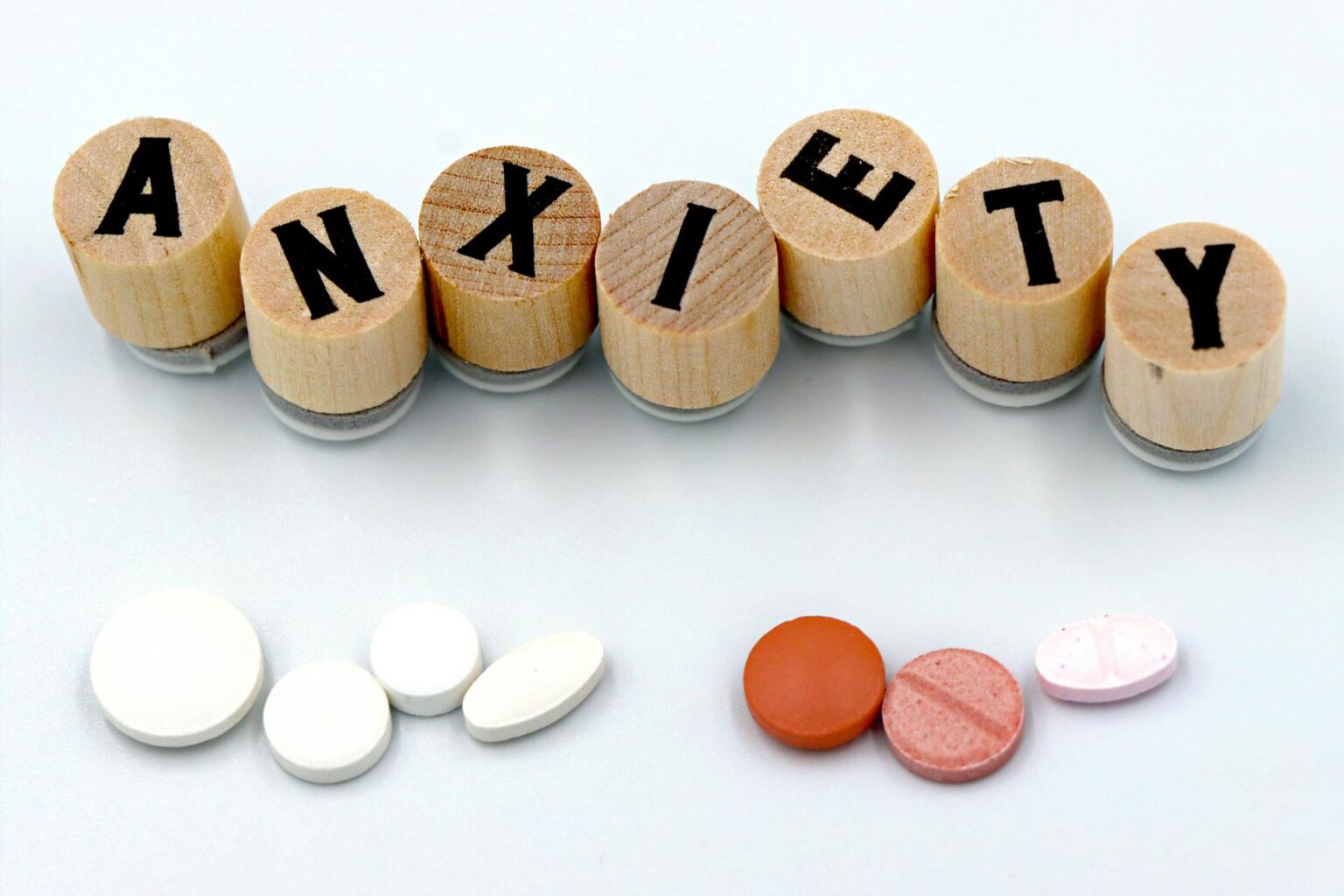
Systems become overwhelmed with depression and anxiety, and WHO estimates that 280 million sufferers exist. MBCT is 50% more effective in preventing relapse in patients at risk, according to studies in Lancet. It is part of psychiatry and it is a complement to meds- consider taking brief meditations prior to the therapy sessions. ER Virtual reality mindfulness reduces acute panic. Headspace for Work is an app through which providers can train on modeling practices to gain trust.
Boosting Provider Resilience
According to Mayo Clinic, 50 percent of doctors are afflicted with burnout, which undermines the quality of care. Mindfulness training through programs such as that of Mindfulness at Work by Brown reduces exhaustion by 20%. Hospitals introduce 10 minutes of sessions every day, which enhances empathy and decision-making. Focused breathing pre-op is associated with fewer errors by surgeons. Scalable solution: Require CME credits of mindfulness, peer-led groups to enable long-term adoption.
Improving Chronic Disease Management
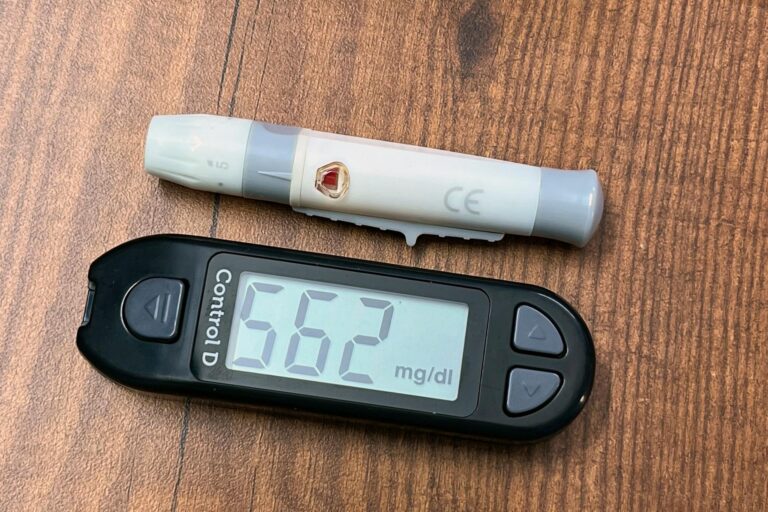
In the case of diabetes or hypertension, mindfulness helps in adherence. Research in JAMA indicates that mindful eating reduces A1C by 0.5 percent in meditators, which inhibits emotional overeating. Loving-kindness meditation is implemented in cardiac rehab, and the number of readmissions decreased 15%. The telehealth platforms provide guided sessions, which best suit the patients who are remote. Action: EHRs identify high-stress patients and refer to mindfulness care, tailoring care.
Fostering Preventive and Holistic Care
Mindfulness changes the paradigms to prevention. It is incorporated with screenings in the workplace wellness, which lowers sick days by 28. In cancer, it suppresses chemo side effects, improving the quality of life. International implementation through WHO guidelines can normalize nurse training. Future-proof: AI applications are adjusting the sessions in real-time, examining biometrics to improve accuracy.
Overcoming Barriers to Integration
There remains skepticism, but the doubts are silenced with the help of RCTs it has been shown that scanning fMRI shows the thickening of the prefrontal cortices in individuals who practice this, and the focus becomes sharper. Cost? Free applications make it democratic; ROI strikes through minimal visits. Hire culturally sensitive personnel without using a universal formula.
Mindfulness is not peripheral, it is central. With its integration, medical services are humane, effective, and robust and can cure both bodies and spirits.