

Perimenopause and Menopause: Integrative Management
The journey through perimenopause and menopause can bring a spectrum of physical and emotional changes, often leaving women feeling overwhelmed and seeking clarity. From fluctuating hormones to hot flashes, sleep disturbances, and mood shifts, these natural transitions challenge our sense of well-being. Understanding these shifts and how to best navigate them is key to maintaining vitality and health.
For many, the question isn’t just about managing symptoms, but about doing so in a way that respects the body’s natural processes while optimizing overall health. We believe in an approach that integrates the best of conventional medicine with evidence-based complementary therapies. Here at Victoria Maizes MD, we’re dedicated to guiding you through this pivotal life stage with personalized, holistic strategies that truly make a difference, fostering an easier transition and renewed health. If you’re looking to understand the broader philosophy of our work, explore our home page for more.
What is Perimenopause and Menopause, Anyway?
Perimenopause is the transitional phase leading up to menopause, marked by fluctuating hormone levels, primarily estrogen. Menopause is officially diagnosed after 12 consecutive months without a menstrual period, signifying the permanent cessation of ovarian function. Both stages are natural biological processes, not diseases, but their symptoms can significantly impact quality of life.
This journey begins with perimenopause, which can last anywhere from a few to ten years. During this time, your ovaries gradually produce less estrogen. This fluctuating hormone level is what often causes the unpredictable symptoms many women experience. Menopause marks the end of your reproductive years, typically occurring around age 51, though it can vary widely. Understanding these distinctions is foundational to effective management.
“Perimenopause can begin as early as a woman’s late 30s or as late as her 50s, but it most often starts in her 40s. The average length of perimenopause is four years, but for some women, this stage may last only a few months or continue for 10 years.”
How Does Hormone Replacement Therapy for Perimenopause Work?
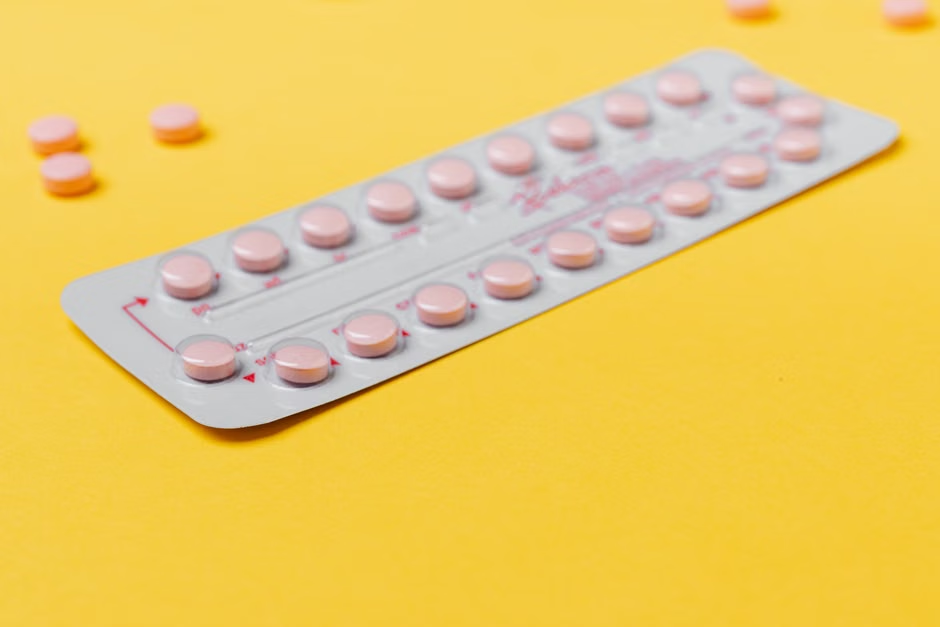
Hormone Replacement Therapy (HRT), often referred to as menopausal hormone therapy (MHT), involves replacing estrogen and, for women with a uterus, progesterone that the body no longer produces sufficient amounts of. The goal is to alleviate menopausal symptoms like hot flashes, night sweats, and vaginal dryness by stabilizing hormone levels. HRT can be delivered via pills, patches, gels, or sprays.
When considering HRT, it’s crucial to have an individualized discussion with your healthcare provider. The type, dose, and duration of therapy are tailored to your specific symptoms, medical history, and risk factors. While HRT is highly effective for many symptoms, it isn’t without considerations, and it’s essential to weigh the benefits against potential risks such as blood clots, stroke, and certain cancers for some individuals. As an integrative physician, I review these factors with my patients meticulously, ensuring they make an informed choice that aligns with their health goals.
What Are Common Perimenopausal and Menopausal Symptoms to Look For?
The symptoms of perimenopause and menopause can be varied and sometimes surprising. Recognizing them is the first step toward effective management. Here are some of the most common signs you might encounter:
- Hot Flashes and Night Sweats: Sudden feelings of intense heat, often accompanied by sweating and flushing. Night sweats are hot flashes that occur during sleep.
- Irregular Periods: Changes in the frequency, duration, and flow of your menstrual cycles are a hallmark of perimenopause.
- Vaginal Dryness: Thinning and drying of vaginal tissues can lead to discomfort, itching, and painful intercourse.
- Mood Swings and Irritability: Hormonal fluctuations can impact neurotransmitters, leading to increased anxiety, depression, or mood volatility.
- Sleep Disturbances: Difficulty falling or staying asleep, often exacerbated by night sweats.
- Difficulty Concentrating/Brain Fog: Many women report issues with memory and focus during this transition.
- Joint Pain and Stiffness: Estrogen plays a role in joint health, and its decline can contribute to aches and pains.
- Changes in Libido: A decrease in sexual desire is common, though some women report an increase.
Understanding these symptoms helps us develop targeted, individualized plans. In our practice, we’ve seen that addressing these holistically often yields the best outcomes.
Are There Alternative Therapies for Menopause Besides HRT?
Absolutely. For many women, HRT isn’t suitable or preferred. Integrative medicine offers a robust toolkit of non-hormonal strategies that can effectively manage symptoms by addressing the root causes and supporting the body’s natural healing capabilities. These approaches often focus on lifestyle, diet, and mind-body practices.
Mindfulness-Based Stress Reduction (MBSR) and other stress management therapies are particularly valuable. Everything you experience in your mind affects your body, and vice versa. Chronic stress can exacerbate hot flashes, sleep issues, and mood disturbances. Engaging in practices like meditation, deep breathing exercises, and yoga can significantly reduce stress and improve symptom severity. My opinion is that integrating practices like those discussed in our section on mindfulness-based practices is crucial for overall well-being during this time.
Acupuncture and pain management therapies also show promise, especially for symptoms like hot flashes, sleep disturbances, and joint pain. A systematic review published in JAMA Internal Medicine found that acupuncture was associated with a significant reduction in hot flash frequency and severity compared to no acupuncture. As an integrative physician and teacher, I frequently recommend exploring acupuncture for symptomatic relief.
Dietary adjustments are also paramount. Focusing on a diet rich in phytoestrogens (found in flaxseeds, soy, and legumes), whole foods, healthy fats, and adequate protein can help modulate hormonal balance and reduce inflammation. Limiting processed foods, sugar, and caffeine can alleviate hot flashes and improve sleep quality. Botanical supplements, such as black cohosh, red clover, and dong quai, have also been studied, though their efficacy can vary and should always be discussed with a knowledgeable provider due to potential interactions or contraindications. Dr. Victoria Maizes, in her book Integrative Women’s Health, discusses how a tailored nutritional plan is fundamental to managing symptoms effectively.
What Results Can You Expect with Integrative Management, and How Soon?
With an integrative approach to perimenopause and menopause, you can realistically expect a gradual but significant improvement in symptoms and overall quality of life. This isn’t about a “miracle cure” but rather empowering your body’s natural resilience. Initial changes, such as improved sleep or reduced hot flash intensity, might be noticeable within 4-8 weeks, especially with consistent lifestyle and dietary adjustments.
More profound and lasting shifts, including better mood stability, sustained energy, and reduced discomfort, typically unfold over 3-6 months as the body adjusts to new inputs and habits. The timeline is highly individualized, depending on the severity of your symptoms, your commitment to the protocols, and how consistently you apply the recommendations. The goal of integrative medicine is to help you cultivate sustainable well-being, rather than just symptom suppression.
“Lifestyle changes, including diet, exercise, and stress reduction, are critical components of perimenopause and menopause symptom management, often yielding improvements in mood, sleep, and hot flashes within weeks to months.”
— National Institutes of Health (General Statement on Lifestyle Impacts)
Practical Tips for Navigating Perimenopause and Menopause
Navigating this transition doesn’t have to be a solo journey or a struggle. Small, consistent changes can make a big difference in how you experience perimenopause and menopause. Here are my tips for finding greater ease and balance:
- Prioritize Sleep Hygiene: Establish a consistent sleep schedule, create a cool and dark bedroom environment, and avoid screens before bed. Good sleep is foundational to hormonal balance and mood regulation.
- Manage Stress Proactively: Incorporate daily stress-reducing practices like mindfulness meditation, deep breathing, or gentle yoga. Even 10-15 minutes a day can shift your nervous system. Learn more about integrative medicine principles for stress management.
- Optimize Your Diet: Focus on whole, unprocessed foods. Increase intake of plant-based proteins, healthy fats (avocado, nuts, seeds), and fiber-rich fruits and vegetables. Consider reducing caffeine, alcohol, and refined sugars, which can trigger hot flashes and disrupt sleep.
- Stay Physically Active: Regular exercise, a mix of cardiovascular, strength training, and flexibility, supports bone density, mood, and metabolism. Listen to your body and find activities you enjoy.
- Hydrate Thoughtfully: Drink plenty of water throughout the day. Staying well-hydrated supports overall cellular function and can help with vaginal dryness.
- Seek Support: Connect with other women going through similar experiences, either through support groups or trusted friends. Discuss your symptoms openly with your healthcare provider to explore all available options.
Remember, this is a time for self-care and intentional choices. You’re not alone, and there are many effective ways to find relief and thrive during this stage of life.
The transition through perimenopause and menopause is a significant life phase, and while it brings changes, it also presents an opportunity for profound self-discovery and health optimization. By embracing an integrative approach, we can address symptoms effectively while nurturing your body, mind, and spirit. It’s about finding balance, building resilience, and fostering a vibrant future, rather than simply enduring. Let’s work together to make this next chapter your healthiest yet.