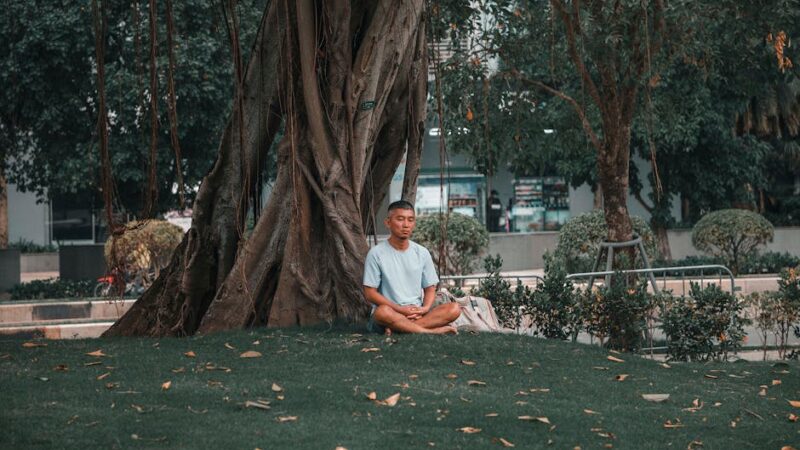

Meditation for Anxiety: Protocols and Step-by-Step Practice
Living with anxiety can feel like being caught in a perpetual loop of worry, often leaving us feeling overwhelmed, drained, and unable to fully engage with life. The constant internal dialogue, the physical tension, and the pervasive sense of unease can significantly impact our well-being and even our physical health. Many individuals find themselves searching for sustainable ways to quiet this internal storm, seeking methods that offer more than just temporary relief.
The good news is that powerful, evidence-based tools exist to help you reclaim your calm and cultivate a more peaceful mind. Among the most effective are cognitive behavioral therapy (CBT) principles integrated with mindfulness meditation. These approaches don’t just mask symptoms; they equip you with the skills to understand, reframe, and respond to anxious thoughts and feelings in a healthier way.
At Victoria Maizes MD, my practice emphasizes an integrative approach, synthesizing modern medical science with time-tested healing traditions. I’ve seen firsthand how profound an impact mindfulness can have on an individual’s journey to wellness, particularly in managing stress and fostering a sense of peace, as we discuss in our post on how mindfulness improves fertility by reducing stress and improving conception.
What is Cognitive Behavioral Therapy (CBT) for Anxiety?
Cognitive Behavioral Therapy (CBT) for anxiety is a structured, goal-oriented form of psychotherapy that helps individuals identify and challenge unhelpful thinking patterns and behaviors contributing to anxiety. It operates on the principle that our thoughts, feelings, and behaviors are interconnected, and by changing one, we can influence the others to reduce anxiety symptoms. This therapy is highly effective for various anxiety disorders.
As an integrative physician, I often explain to my patients that CBT helps you become a detective of your own mind. It teaches you to recognize “cognitive distortions”—those sneaky, often automatic negative thoughts that can fuel anxiety, like catastrophizing or all-or-nothing thinking. Once you identify these patterns, you learn techniques to reframe them into more balanced and realistic perspectives. This isn’t about positive thinking; it’s about accurate thinking.
Coupled with cognitive restructuring, CBT also includes behavioral components. This means gradually exposing yourself to feared situations (exposure therapy) to reduce avoidance behaviors, which often maintain anxiety. It also involves learning relaxation techniques and problem-solving skills. The National Institute of Mental Health (NIMH) highlights CBT as a key treatment for various anxiety disorders, emphasizing its efficacy in helping people manage symptoms and improve their quality of life. The NIMH provides comprehensive resources on the different types of anxiety and their treatments, including the robust evidence supporting CBT.
How to Meditate for Anxiety
Meditating for anxiety involves intentionally focusing your attention on the present moment, observing thoughts, feelings, and bodily sensations without judgment. This practice helps to create a mental distance from anxious thoughts, reducing their intensity and impact. It teaches you to experience your thoughts and feelings as transient events rather than absolute truths, fostering a sense of calm and control.
Getting started with meditation for anxiety doesn’t require complex rituals or hours of practice. My opinion is that consistency is far more important than duration. You’re essentially training your brain to shift from its anxious, future-oriented or past-revisiting default mode network to a more present, observant state. This builds new neural pathways over time. A simple way to begin is by focusing on your breath.
“Mindfulness meditation, which focuses on breathing and body awareness, has been found to decrease anxiety and panic attacks. Practicing regularly can lead to changes in brain regions associated with emotion regulation, stress, and self-awareness.”
You might start with just five minutes, finding a quiet space to sit comfortably. Close your eyes if that feels right, or soften your gaze. Bring your attention to the sensation of your breath entering and leaving your body. Notice the rise and fall of your abdomen, or the air moving through your nostrils. When your mind wanders—and it will, that’s what minds do—gently bring your attention back to your breath. There’s no need to judge your wandering mind; simply acknowledge it and return to the anchor of your breath. This repeated gentle redirection is the core of the practice. It’s like a bicep curl for your attention muscle.
Guided meditation for anxiety and overthinking
Guided meditation can be particularly helpful for anxiety and overthinking because the narrator provides a focal point and directs your attention, making it easier to stay present. This external guidance reduces the mental effort required to initiate and sustain the practice, which is especially beneficial when your mind feels busy or resistant. It offers a structured path through the meditation, alleviating the pressure of doing it “right.”
For those prone to overthinking, a guided meditation can be a lifeline. The voice can gently redirect your attention away from intrusive thoughts and back to the present moment, whether it’s focusing on bodily sensations, a calming visualization, or a specific mantra. Many platforms offer free guided meditations, from apps to YouTube channels. My recommendation is to try a few different guides until you find a voice and style that resonates with you. Some people prefer a very gentle approach, while others appreciate more direct instruction.
When searching for guided meditations, look for those specifically designed for anxiety or stress reduction. Many excellent resources offer 10-minute, 20-minute, or longer sessions. The key is to commit to a consistent practice, even if it’s just for a short duration each day. Over time, you’ll find that the skills you cultivate during guided sessions begin to transfer to your everyday life, helping you manage anxious moments more effectively.
What It Treats: Conditions Benefitting from Meditation and CBT
Meditation and CBT are powerful tools that can significantly alleviate symptoms across a spectrum of anxiety-related conditions. These practices don’t just offer temporary relief; they equip you with sustainable strategies to manage the underlying mechanisms of anxiety. Board-certified providers frequently recommend these integrated approaches for their efficacy in addressing various forms of psychological distress.
Here are some of the conditions that can benefit from integrating meditation and CBT:
- **Generalized Anxiety Disorder (GAD):** Reduces persistent, excessive worry about everyday things.
- **Social Anxiety Disorder:** Helps manage fear and avoidance of social situations by reframing social threats.
- **Panic Disorder:** Lessens the frequency and intensity of panic attacks by teaching self-regulation and exposure.
- **Obsessive-Compulsive Disorder (OCD):** While often requiring specialized CBT (ERP), mindfulness can help manage intrusive thoughts.
- **Specific Phobias:** Complements exposure therapy by fostering a calmer response to triggers.
- **Chronic Stress:** Lowers physiological markers of stress, improving overall resilience.
- **Insomnia related to anxiety:** Promotes relaxation and quiets the mind for better sleep.
In our practice, we have seen that by targeting the cognitive and emotional components of these conditions, patients gain a greater sense of agency over their internal experiences. This is important because it shifts the focus from merely enduring symptoms to actively engaging in their own healing process.
Considering Alternatives and When Meditation Isn’t Enough
While meditation and CBT are incredibly effective, it’s crucial to acknowledge that they are not one-size-fits-all solutions, nor are they replacements for professional medical advice. There are instances where the depth or persistence of anxiety symptoms may require additional support, highlighting the importance of an integrative approach to wellness.
As an integrative physician, I emphasize that chronic or severe anxiety can have complex roots, sometimes involving underlying physiological imbalances that meditation alone might not fully address. For example, nutritional deficiencies, hormonal imbalances, or chronic inflammatory conditions can significantly impact mood and anxiety levels. In such cases, a thorough medical evaluation is vital.
There are also other effective complementary therapies that can augment meditation and CBT. For instance, many patients find relief and balance through practices like acupuncture for fertility and stress reduction, which can help regulate the nervous system. Herbal remedies, targeted nutritional supplementation, and even specific forms of exercise can play a supportive role. It’s about building a comprehensive toolkit tailored to your unique needs.
“While mindfulness and meditation practices can be very beneficial for reducing stress and anxiety, they may not be sufficient for individuals with severe mental health conditions, such as major depressive disorder, severe anxiety disorders, or psychosis. It’s essential to consult with a mental health professional for proper diagnosis and a comprehensive treatment plan.”
If you’re experiencing severe anxiety, panic attacks, or anxiety that significantly impairs your daily life, please consult with a qualified healthcare provider. They can help determine if medication, a more intensive form of therapy, or other interventions are necessary to support your journey back to balance.
What to Expect: Realistic Outcomes and Timelines
Embarking on a journey with meditation and cognitive behavioral techniques for anxiety isn’t about instant cures, but rather a gradual process of building resilience and shifting your relationship with anxious thoughts. Realistic expectations are key to maintaining motivation and truly integrating these practices into your life. You’ll likely notice subtle shifts before dramatic changes.
Typically, individuals engaging in consistent mindfulness practice might begin to notice a difference in their ability to observe thoughts without immediate reaction within a few weeks to a couple of months. For CBT, structured therapy usually involves 12-20 sessions, with symptom improvements often reported within the first 6-8 weeks. However, the exact timeline varies greatly depending on the individual, the severity of anxiety, and the consistency of practice.
My clinical experience shows that the most significant and lasting results come from committed, regular engagement. You might find that some days are easier than others; that’s normal. Don’t be discouraged by setbacks. The goal isn’t to eliminate anxiety entirely, but to develop the capacity to navigate it with greater ease and less suffering. Over time, you’ll likely experience:
- A reduction in the frequency and intensity of anxious thoughts.
- Improved ability to recover from stressful situations.
- Greater emotional regulation and self-awareness.
- Enhanced sense of calm and present moment awareness.
- Better sleep quality and overall well-being.
Remember, this is a skill you’re developing. Just like learning any new skill, it takes practice, patience, and persistence. The benefits compound over time, leading to profound changes in your mental and emotional landscape.
Practical Tips for Integrating Meditation and CBT into Your Daily Life
Making meditation and CBT principles a part of your daily routine doesn’t have to be daunting. Small, consistent steps can lead to significant changes in how you experience and manage anxiety. Here are some practical tips I share with my patients to help them integrate these powerful tools effectively:
- **Start Small and Build Gradually:** Don’t aim for a 30-minute meditation session on day one. Begin with 5-10 minutes of focused breathing each morning or evening. Once that feels comfortable, gradually increase the duration.
- **Use Guided Meditations:** Especially when starting, guided meditations provide structure and can help keep your mind from wandering. Explore different apps or online resources to find a guide whose voice and style resonate with you.
- **Practice Mindful Moments:** You don’t always need to sit formally. Bring mindfulness to everyday activities. Fully engage your senses when you’re eating a meal, taking a shower, or walking. Notice the textures, smells, sights, and sounds. This helps anchor you in the present.
- **Keep a Thought Record:** As part of CBT, practice identifying anxious thoughts, the emotions they trigger, and the behaviors that follow. Then, challenge those thoughts: “Is this absolutely true? What’s an alternative perspective?” This helps you reframe negative patterns.
- **Schedule It Like an Appointment:** Just as you wouldn’t skip a doctor’s visit, commit to your meditation and CBT practice. Block out a specific time in your day, and treat it as non-negotiable.
- **Connect with Your Body:** Anxiety often manifests physically. Incorporate practices like progressive muscle relaxation, gentle stretching, or mindful movement to release physical tension. Remember that what you choose to put into your body also affects your mind, as we explored in our post on eating for pleasure, vitality, and health.
Consistency is your greatest ally. Even on days when you feel too anxious or busy, try a short, intentional pause. That simple act of showing up for yourself reinforces the habit and builds your capacity for calm.
Harnessing the power of meditation and cognitive behavioral principles offers a proven pathway to reduce anxiety and cultivate a more resilient, peaceful mind. By understanding how these practices work, integrating them consistently, and knowing when to seek additional support, you can fundamentally transform your relationship with worry and stress. Your journey towards inner calm is a testament to your commitment to holistic well-being, paving the way for a richer, more vibrant life.