

Gestational Diabetes: Prevention and Integrative Management
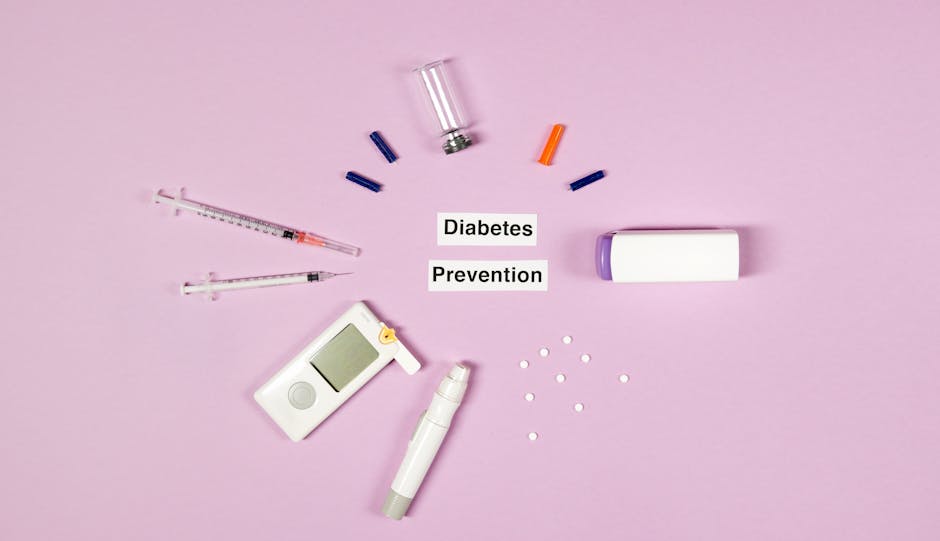
Learning you might be at risk for, or have been diagnosed with, gestational diabetes can bring a wave of concerns. You’re likely wondering what it means for your health, for your baby’s development, and how you can best navigate this journey. It’s a common condition, affecting 2% to 10% of pregnancies in the United States, according to the Centers for Disease Control and Prevention (CDC), and it’s something we take seriously in integrative medicine.
My approach is always to empower you with knowledge and practical tools, blending scientific advancements with a deep understanding of your body’s innate healing capacity. We look beyond symptoms to address the root causes and support your overall well-being. This isn’t just about managing blood sugar; it’s about fostering a healthy pregnancy and laying the groundwork for a healthy future for both you and your child. As we explore further, you’ll see how holistic strategies can make a significant difference.
At our practice, led by Dr. Victoria Maizes, we specialize in guiding women through pregnancy with comprehensive, personalized care. We believe that by understanding and actively participating in your health decisions, you can achieve optimal outcomes. This includes proactive steps to support your body’s resilience, as we discuss in our post on Postpartum Recovery: Nutrition, Rest, and Integrative Care, which begins long before delivery.
What is Gestational Diabetes Mellitus?
Gestational diabetes mellitus (GDM) is a type of diabetes that develops or is first diagnosed during pregnancy. It occurs when your body can’t produce enough insulin, or effectively use the insulin it does produce, to regulate blood sugar levels during pregnancy. While it often resolves after birth, GDM can have significant health implications for both mother and baby if not properly managed, and it increases the mother’s risk of developing type 2 diabetes later in life.
During pregnancy, your body undergoes profound hormonal changes. These hormones, particularly those produced by the placenta, can make your cells more resistant to insulin. Insulin is a hormone that helps glucose (sugar) move from your bloodstream into your cells, where it’s used for energy. When insulin resistance increases, your pancreas has to work harder to produce more insulin. If your pancreas can’t keep up with this increased demand, blood glucose levels rise, leading to gestational diabetes. It’s a complex interplay of genetics, lifestyle, and the unique physiological demands of carrying a baby.
As an integrative physician, I’ve seen how understanding GDM empowers patients. While the exact cause isn’t always clear, certain risk factors increase the likelihood of developing it. These include being overweight or obese before pregnancy, having a family history of type 2 diabetes, being over 25 years old, or having had GDM in a previous pregnancy. Some women with conditions like Polycystic Ovary Syndrome (PCOS), which we discuss in detail in our post on PCOS and Fertility: An Integrative Medicine Approach, may also have a higher risk due to underlying insulin resistance.
What Are the Management Guidelines for Gestational Diabetes in Pregnancy?
Management of gestational diabetes primarily focuses on maintaining blood glucose levels within a healthy range to prevent complications. This typically involves a combination of dietary adjustments, regular physical activity, and consistent blood sugar monitoring. In some cases, medication, such as insulin, may be necessary if lifestyle changes alone aren’t sufficient to achieve target glucose levels.
Standard medical guidelines emphasize the importance of early diagnosis, usually through an oral glucose tolerance test (OGTT) performed between 24 and 28 weeks of pregnancy. Once diagnosed, a team approach involving an obstetrician, a registered dietitian, and sometimes an endocrinologist is often recommended. The goal is to keep fasting blood glucose below 95 mg/dL and post-meal levels below 140 mg/dL (one hour after eating) or 120 mg/dL (two hours after eating), though specific targets can vary based on individual circumstances and your doctor’s recommendations.
“Careful control of blood sugar levels during pregnancy is vital for both the mother and the baby. Uncontrolled gestational diabetes can lead to complications like high birth weight, preterm birth, and respiratory distress syndrome in newborns.”
From an integrative perspective, these guidelines serve as a crucial framework. However, my opinion is that we can enhance management by deeply personalizing dietary strategies, recommending specific types of movement, and integrating stress-reduction techniques. Mindfulness-Based Stress Reduction (MBSR) and other mind-body practices can be incredibly helpful because everything you experience in your mind affects your body, and vice versa. This holistic view helps address the stress that often accompanies a GDM diagnosis, which can, in turn, affect blood sugar regulation.
What Symptoms or Risks Should I Look For with Gestational Diabetes?
Often, gestational diabetes presents with no noticeable symptoms, which is why routine screening is so important. However, some women might experience increased thirst, frequent urination, fatigue, or blurred vision. The risks associated with uncontrolled GDM are significant, affecting both the mother and the developing baby. These can range from immediate complications during pregnancy and birth to long-term health concerns for both.
For the mother, potential complications include:
- Preeclampsia: High blood pressure and protein in the urine, which can be dangerous.
- Macrosomia: A larger-than-average baby, increasing the risk of C-section or difficult vaginal delivery.
- Increased risk of developing type 2 diabetes later in life.
- Higher chance of developing GDM in future pregnancies.
For the baby, potential complications include:
- Hypoglycemia: Low blood sugar shortly after birth.
- Respiratory distress syndrome: Breathing difficulties due to underdeveloped lungs.
- Jaundice.
- Higher risk of obesity and type 2 diabetes later in childhood or adulthood.
It’s crucial to understand that while a GDM diagnosis can feel overwhelming, with careful management, you can have a healthy pregnancy and baby. We also often find that conditions related to pregnancy complications, such as Recurrent Miscarriage: Integrative Testing and Treatment Protocols, share underlying factors like inflammation or metabolic imbalances, reinforcing the need for a comprehensive approach.
Considering Alternatives and Nuances in GDM Management
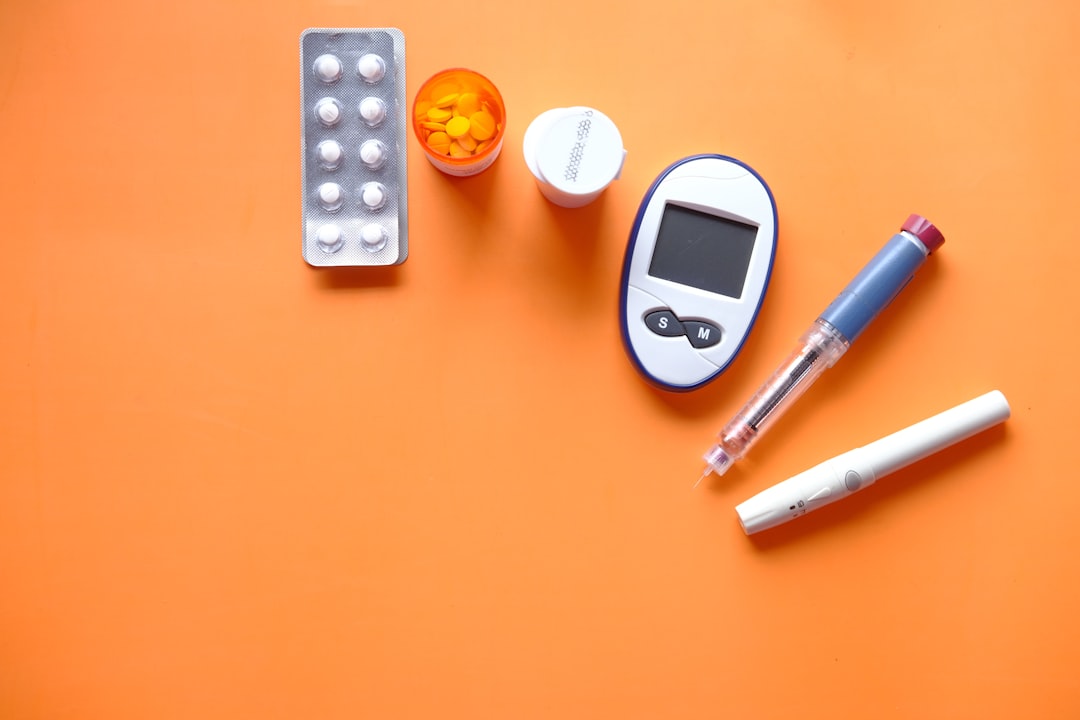
While insulin is a critical tool for managing GDM when needed, it’s not the only approach, nor is it always the first step. For many women, especially those with milder cases, diet and exercise are foundational. An integrative perspective means we explore all avenues to support metabolic health before relying solely on medication. This involves working closely with each patient to develop a personalized plan that honors their unique needs and circumstances.
For instance, some individuals might find a low-glycemic eating plan more effective, while others respond better to specific carbohydrate counting. The key is finding a sustainable eating pattern that keeps blood sugar stable without feeling overly restrictive. We might also explore targeted nutritional supplements, carefully selected for safety and efficacy in pregnancy, to support insulin sensitivity and reduce inflammation. However, supplements cannot replace a nutritious diet, and any supplement regimen should always be discussed with your healthcare provider.
Another area of focus is the role of physical activity. Regular, moderate exercise, like brisk walking or prenatal yoga, can significantly improve insulin sensitivity. If traditional exercise feels daunting, simply breaking up long periods of sitting with short walks can be beneficial. It’s about finding movement that you enjoy and can incorporate consistently. Board-certified providers recommend daily activity for pregnant women unless otherwise contraindicated. This nuanced approach aligns perfectly with an Integrative Medicine Approach to Chronic Disease Management, where we empower you to be an active participant in your health.
What Should I Expect During Gestational Diabetes Management?
Once diagnosed with gestational diabetes, your pregnancy care will involve close monitoring and active management to ensure the best outcomes for you and your baby. This typically includes regular blood glucose testing, detailed dietary guidance, and a tailored exercise plan. You’ll also have more frequent prenatal appointments to track your progress and your baby’s growth.
Expect to monitor your blood sugar levels multiple times a day—fasting, and one or two hours after meals—using a home glucometer. This data is invaluable for understanding how your body responds to different foods and activities. Your healthcare team will review these readings to make any necessary adjustments to your plan. In my practice, I guide patients through these adjustments, focusing on sustainable changes that benefit both mother and baby. We aim for stability, not perfection, and understand that fluctuations happen.
If diet and exercise aren’t enough to keep your blood glucose within target ranges, your doctor might prescribe medication, most commonly insulin injections. Insulin is considered safe during pregnancy because it doesn’t cross the placenta to the baby. For most women, gestational diabetes resolves shortly after birth. However, you’ll need a follow-up glucose test 6 to 12 weeks postpartum to ensure your blood sugar has returned to normal. It’s also important to remember that having GDM increases your risk of developing type 2 diabetes later in life, making continued healthy lifestyle choices crucial for your long-term health.
Practical Tips for Preventing and Managing Gestational Diabetes
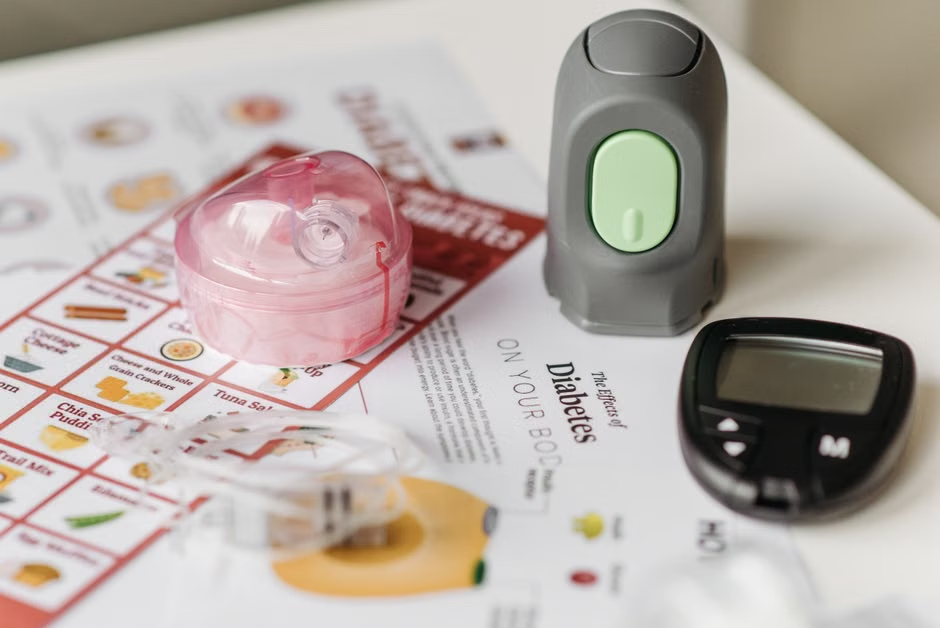
Taking proactive steps can significantly influence your experience with gestational diabetes, both in terms of prevention and effective management. These practical tips integrate easily into daily life and support overall well-being during pregnancy.
- Prioritize Whole, Unprocessed Foods: Focus on a diet rich in vegetables, fruits (in moderation), lean proteins, and healthy fats. Choose complex carbohydrates like whole grains, legumes, and starchy vegetables over refined grains and sugary drinks. This helps stabilize blood sugar and provides essential nutrients.
- Eat Balanced Meals and Snacks: Aim for smaller, more frequent meals to prevent blood sugar spikes and crashes. Each meal should include a source of protein, healthy fat, and fiber-rich carbohydrates.
- Engage in Regular, Moderate Exercise: A daily walk of 20-30 minutes, prenatal yoga, or swimming can make a big difference in improving insulin sensitivity. Even short bursts of activity after meals can be beneficial. Always clear any new exercise regimen with your healthcare provider.
- Manage Stress: Stress hormones can affect blood sugar levels. Incorporate stress-reducing practices like mindfulness meditation, deep breathing exercises, gentle stretching, or spending time in nature. As an integrative physician and teacher, I advocate for these practices for comprehensive health.
- Ensure Adequate Sleep: Poor sleep can worsen insulin resistance. Aim for 7-9 hours of quality sleep per night. Establish a consistent sleep schedule and create a relaxing bedtime routine.
- Stay Hydrated: Drink plenty of water throughout the day. Water helps your kidneys flush out excess sugar through urine and keeps your body functioning optimally.
“Lifestyle interventions, including dietary modifications and increased physical activity, are the cornerstone of gestational diabetes management and can significantly reduce the need for medication.”
My opinion is that pregnancy is well worth preparing for, and these principles are not only vital for managing GDM but also for overall maternal and fetal health. By adopting these habits, you’re not just addressing a diagnosis; you’re building a foundation for lifelong wellness.
Managing gestational diabetes is a partnership between you and your healthcare team, and it’s an opportunity to embrace health-promoting practices that will benefit you and your baby for years to come. By choosing an integrative approach, you receive care that is not only evidence-based but also deeply compassionate and tailored to your unique journey. Remember, you’re not alone in this, and with consistent effort and the right support, you can achieve a healthy, vibrant pregnancy and welcome your baby into the world with confidence and peace of mind.